
AFFILIATE DISCLOSURE
As an Amazon Associate I earn from qualifying purchases. This article contains affiliate links.
Read our full disclosure.
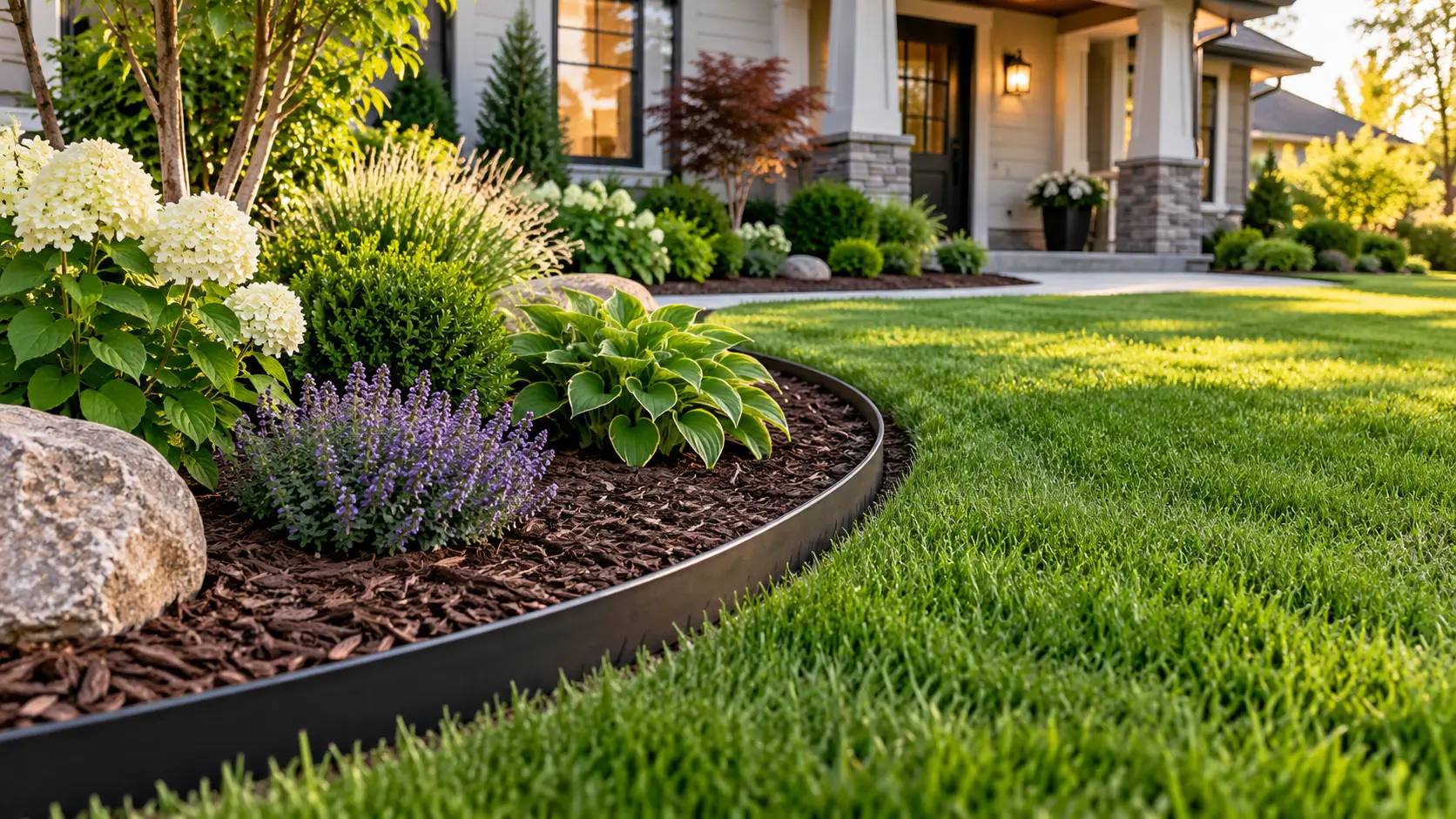
Let’s be honest: the difference between a “nice” yard and a great yard often comes down to the edges. Good landscape edging gives you clean lines, way less trimming, and beds that actually look defined instead of slowly creeping into the lawn.
In this guide, I’m walking you through the 7 best landscape edging options for 2026. For each one, you’ll get the real pros and cons, typical costs, and exactly where it works best—so you can pick the right edging for your yard, climate, and budget without second-guessing yourself.
Quick Comparison: Best Landscape Edging Options in 2026
| Landscape Edging | Best For | Ideal Use |
|---|---|---|
| COR-TEN Steel | 🏆 Lifetime durability | Premium landscapes, long borders, harsh climates |
| Galvanized / Coated Steel | ⭐ Best all-around metal | Driveways, walkways, flower beds |
| Aluminum | 🔄 Flexibility & corrosion resistance | Curved beds, tree rings, modern yards |
| No-Dig Recycled Plastic | 💰 Budget & easy DIY | Large yards, renters, temporary beds |
| Rubber | 🌿 Smooth curves | Curved beds, play areas, informal gardens |
| Brick / Pavers | 🧱 Decorative borders | Traditional gardens, formal beds |
| Stone / Concrete Curbing | 💪 Permanent edging | High-end landscaping, permanent borders |
How We Chose the Best Landscape Edging Options for 2026
I didn’t just pick the edging that looked nicest in photos. To make this list actually useful, I focused on what matters when you’re standing in your yard with a shovel: how long it lasts, how it looks, how easy it is to install, and whether it can handle your climate without warping, rusting, or heaving.
Here’s the quick version of my criteria:
- Durability and lifespan – Will this last 5 years or 50?
- Appearance and design flexibility – Does it give you clean lines and work with your style (modern, traditional, casual)?
- Ease of installation – Can a DIYer handle it in a weekend, or do you really need a pro?
- Climate performance – How does it deal with freeze‑thaw cycles, intense heat, and UV exposure?
- Cost per linear foot and overall value – Not just the sticker price, but what you get for what you pay over time.
All recommendations are based on 2025–2026 expert reviews, hands‑on testing, and real‑world material performance data, so you’re not stuck with an option that looks great online but fails after one season.
AFFILIATE DISCLOSURE
As an Amazon Associate I earn from qualifying purchases. This article contains affiliate links.
Read our full disclosure.
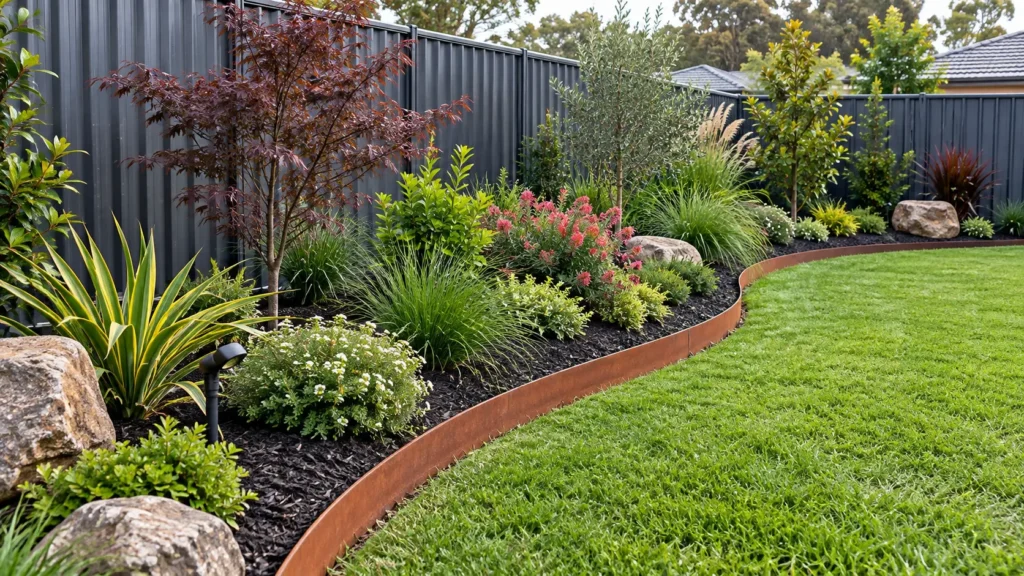
1. COR‑TEN (Weathering) Steel Edging: Edge Right Hammer-In Landscape Edging

Best for: Lifetime durability and a premium finish
Why It’s Great
COR‑TEN steel is basically the “buy it once” option. It often lasts 50–100+ years because it forms a protective rust patina that actually helps prevent further corrosion. It holds super crisp lines along your beds and, when you install it deep enough, it handles freeze‑thaw cycles better than thinner metals without warping or heaving.
Best For
- Modern or high‑end landscapes where you want a sleek, architectural edge
- Long borders where you don’t want to replace edging every few years
- Climates with harsh winters and repeated freeze‑thaw cycles
Watch‑Outs
You do pay for that longevity. COR‑TEN has a higher upfront cost and the strips are heavy, so it’s more of a two‑person job. Expect some rust dust when you first unbox and handle it, and skip this if you’re set on a black, non‑rust look—this material is all about that weathered steel aesthetic.
Typical Cost
About $3–$6 per linear foot installed for heavy‑gauge COR‑TEN kits, depending on your region and whether you DIY or hire a pro.
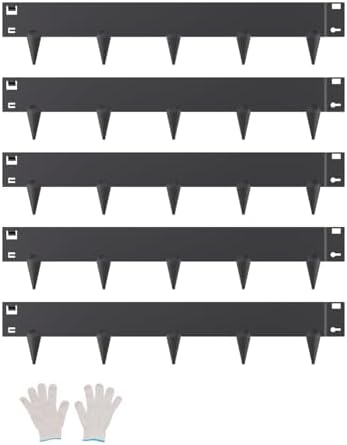
2. Galvanized or Powder‑Coated Steel Edging: VEVOR Steel Landscape Edging
Best for: All‑around metal for defined borders
Why It’s Great
If you want strong, clean lines without going full premium, galvanized or powder‑coated steel is a solid sweet spot. It’s widely available in hammer‑in strips and kits, so you can find something that fits almost any layout. It doesn’t rot, insects can’t touch it, and it sits nicely between budget plastic and high‑end COR‑TEN in terms of price and lifespan.
Best For
- Driveway and walkway edges where you need a sturdy, defined border
- Foundation plantings that benefit from a sharp, tidy line
- Straight or gently curved beds where you don’t need extreme flexibility
Watch‑Outs
The coating is your main defense. If it gets scratched or damaged, the steel underneath can rust over time. In areas with severe freeze‑thaw cycles, thinner gauges can heave or shift, so it’s worth choosing a heavier gauge if your winters are rough.
Typical Cost
Roughly $1.50–$3 per linear foot for galvanized or powder‑coated steel kits, depending on thickness and style.
3. Aluminum Edging: EasyFlex Aluminum Landscape Edging

Best for: Balance of flexibility and corrosion resistance
Why It’s Great
Aluminum edging is the go‑to when you want curves without fighting the material. It bends smoothly around tight radii, won’t rust, and typically lasts 25–30 years with minimal maintenance. The profile is low and subtle, which gives you a clean, modern edge that doesn’t scream “landscaping product.”
Best For
- Curved flower beds where steel might kink or resist bending
- Tree rings and other circular or irregular shapes
- Contemporary designs where you want a thin, clean edge that blends in
Watch‑Outs
You’ll pay more per foot than standard steel edging, and aluminum isn’t as tough against heavy impacts. A stray shovel, dropped paver, or aggressive trimmer can dent it, so it’s not the best choice for high‑traffic work zones or areas where you’re constantly moving heavy materials.
Typical Cost
Around $2.80–$4.00 per linear foot, depending on height, thickness, and finish.
4. No‑Dig Recycled Plastic (HDPE) Edging: EasyFlex No-Dig Landscape Edging Kit

Best for: Budget, DIY‑friendly option
Why It’s Great
If you want to edge a lot of space without spending a fortune, no‑dig recycled plastic (HDPE) is hard to beat. It’s very affordable, flexible enough to follow gentle curves, and installs fast with a simple “stake‑and‑go” approach—no trenching or concrete needed. Bonus: many options are made from recycled materials, so you’re reusing plastic instead of adding more to the mix.
Best For
- Large yards on a tight budget where cost per foot really matters
- Renters who want a clean look but don’t want a permanent, labor‑intensive install
- Temporary beds or spaces you plan to redesign every few years
Watch‑Outs
You do trade longevity for price. In full sun, HDPE edging often lasts 5–10 years before it starts to warp, fade, or get brittle. The included plastic stakes can also bend or break in hard, compacted, or rocky soil, so you may need to reinforce them or use metal stakes in tougher ground.
Typical Cost
About $0.25–$0.45 per linear foot installed for basic coils and kits, making it one of the most budget‑friendly options on this list.
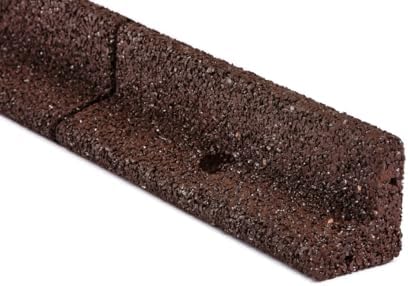
5. Rubber Edging: EcoBorder No-Dig Rubber Landscape Edging
Best for: Smooth curves and a softer look
Why It’s Great
Rubber edging is the easygoing option that plays nice with curves. It’s highly flexible, so it follows winding beds without kinking, and it has mid‑tier durability—often lasting around 4–6 years depending on your climate and sun exposure. The low, soft profile blends well in casual gardens and doesn’t create a harsh visual line like some metal or stone options.
Best For
- Curved beds where you want a gentle, flowing edge
- Play areas where a softer material is safer for kids
- Informal landscapes where you prefer a low, understated border
Watch‑Outs
Rubber doesn’t love extreme conditions. Over time, UV exposure and temperature swings can cause it to fade, crack, or warp, especially in very hot or very cold climates. It’s also generally less durable than metal or stone, so don’t expect it to last decades without showing wear.
Typical Cost
Mid‑range—usually more than basic plastic edging but less than premium metal or stone options. Exact pricing varies by brand and thickness, but it sits comfortably in the middle of the cost spectrum.
6. Brick or Paver Edging: Beuta Landscape Edging

Best for: Classic, decorative borders that match hardscapes
Why It’s Great
Brick and paver edging give you that timeless, “this house was built to last” look. When installed correctly, they can last for decades without needing replacement. If you already have a brick patio, paver walkway, or similar hardscape, using the same (or coordinating) material for your edging ties the whole yard together beautifully.
Best For
- Traditional gardens where you want a classic, established feel
- Formal beds that benefit from a structured, architectural edge
- Any project where you want the edging to be a visible design feature, not something hidden in the grass
Watch‑Outs
This isn’t a quick weekend project. Brick and paver edging are more labor‑intensive than most other options. They need a solid base and proper edge restraints, or they can shift over time, especially in freeze‑thaw areas. If you plan to mow over the edge, you’ll need to set them nearly flush with the lawn, which adds another layer of precision to the install.
Typical Cost
Costs vary widely depending on your region, the type of brick or paver, and whether you DIY or hire a pro. In general, expect to pay more than plastic or metal edging because of the extra labor and base preparation involved.
7. Natural Stone or Concrete Curbing: EasyFlex No-Dig Landscape Edging with Anchoring Spikes

Best for: Permanent, high‑end definition
Why It’s Great
If you want an edge that says “this is staying put,” natural stone or concrete curbing is about as permanent as it gets. Both options are extremely durable and bring an elegant, finished look to your landscape. Natural stone adds a high‑end, organic aesthetic that blends beautifully with mature plantings, while poured concrete curbing lets you customize shapes, heights, and colors to match your design exactly.
Best For
- High‑end landscapes where you’re investing in long‑term curb appeal
- Long‑term installations where you don’t plan to redesign the beds anytime soon
- Areas where you want a bold, architectural border that clearly defines lawn, beds, and hardscapes
Watch‑Outs
You’re paying for that permanence. This is the highest upfront cost option on the list, and installation is labor‑intensive—often best left to professionals, especially for poured concrete. Also, once it’s in, it’s basically permanent: concrete curbing is hard (and expensive) to change later if you decide to reconfigure your beds.
Typical Cost
Expect to pay $8+ per linear foot installed for concrete curbing in most areas. Natural stone can easily exceed $20 per linear foot, depending on the type of stone, site access, and how much prep work your yard needs.
How to Choose the Right Landscape Edging for Your Yard
Picking the “best” edging really comes down to matching the material to your climate, layout, and how much you want to spend now versus later. Use this as a quick decision guide before you buy.
Climate Considerations
If you deal with freeze‑thaw cycles, lean toward heavier‑gauge steel (14–16 ga) or stone/concrete, which hold their shape and resist heaving. In warm climates with mild winters, plastic and rubber tend to perform better and won’t get as brittle or crack as easily.
Curves vs. Straight Lines
For tight, winding curves, aluminum and rubber are your friends—they bend smoothly without kinking. Gentle curves work well with steel strips, which can flex a bit but still keep a clean line. If you’re mostly doing straight runs or simple radiused corners, brick and stone give you a crisp, architectural edge.
Visibility and Style
Want an edge that basically disappears into the lawn? Go with low‑profile no‑dig plastic that sits just above the grass. If you want a defined design line that reads as a deliberate feature, choose steel, brick, or stone, which all create a stronger visual boundary.
Longevity vs. Budget
Metal and stone cost more upfront but can last for decades with minimal maintenance. Plastic and rubber are cheaper to install now, but expect to replace them in 5–10 years, especially in full sun or harsh weather.
Installation Depth Rule of Thumb
No matter what you choose, follow the “3‑inch edging rule”: keep about 2–3 inches visible above ground and bury the rest. This gives you a clean look while protecting your mower and trimmer from hitting the edge.
Final Recommendation: Which Landscape Edging Should You Buy in 2026?
AFFILIATE DISCLOSURE
As an Amazon Associate I earn from qualifying purchases. This article contains affiliate links.
Read our full disclosure.
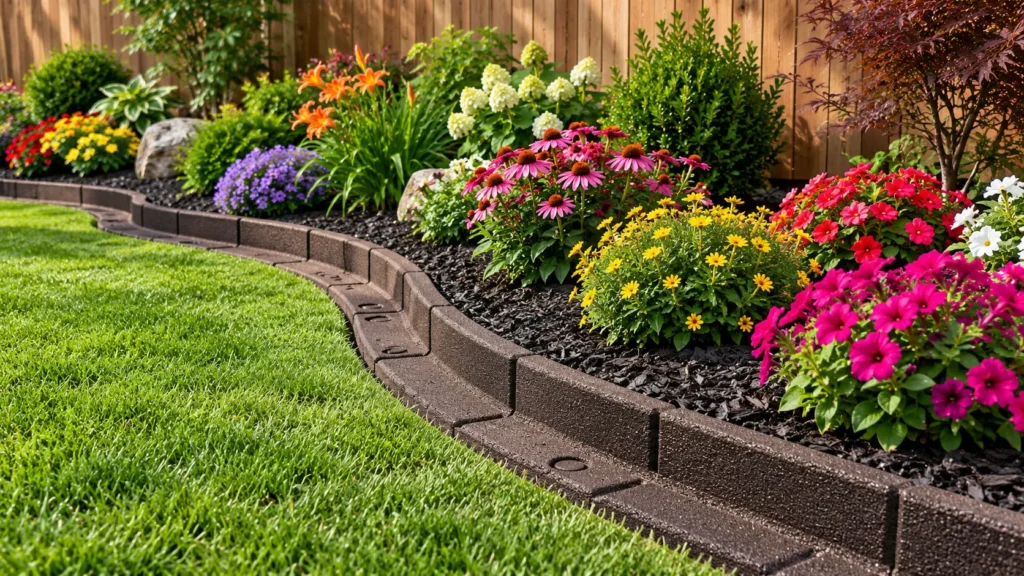
If you want one clear answer: for most homeowners, galvanized or powder‑coated steel edging is the best overall pick. It balances cost, durability, and clean lines, and it works in a wide range of climates and yard styles. Quick Comparison: Which Landscape Edging Is Best?
| Best For | Recommended Edging |
|---|---|
| 🏆 Best Overall | Galvanized or powder-coated steel |
| 💰 Best Budget | No-dig recycled plastic (HDPE) |
| ⭐ Best Premium | COR-TEN weathering steel |
| 🔄 Best for Curves | Aluminum or rubber |
| 🏡 Best Traditional Look | Brick, pavers, natural stone, or concrete curbing |
Match these to your climate, layout, and how long you plan to stay in your home, and you’ll end up with edges that look sharp and stay that way.
Frequently Asked Questions (FAQ)
What is the longest‑lasting landscape edging?
COR‑TEN (weathering) steel and natural stone or concrete curbing are the longest‑lasting options, often lasting 50–100+ years when installed correctly. Heavy‑gauge galvanized steel and properly set brick/paver edging can also last for decades.
What is the cheapest landscape edging option?
No‑dig recycled plastic (HDPE) edging is usually the cheapest, often costing around $0.25–$0.45 per linear foot installed. Rubber edging is the next step up in price but still more affordable than most metal or stone options.
What edging is best for curved garden beds?
Aluminum and rubber edging are best for tight, winding curves because they bend smoothly without kinking. Steel strips work well for gentle curves, while brick and stone are better suited to straight or simple radiused layouts.
How deep should landscape edging be installed?
A good rule of thumb is the “3‑inch edging rule”: keep about 2–3 inches visible above ground and bury the rest. This gives a clean look while minimizing conflicts with mowers and string trimmers.
Can I install landscape edging myself, or do I need a pro?
You can absolutely install plastic, rubber, aluminum, and most steel edging yourself as a weekend DIY project. Brick, paver, natural stone, and poured concrete curbing are more labor‑intensive and often benefit from professional installation, especially if you want a perfectly level, long‑lasting result.